
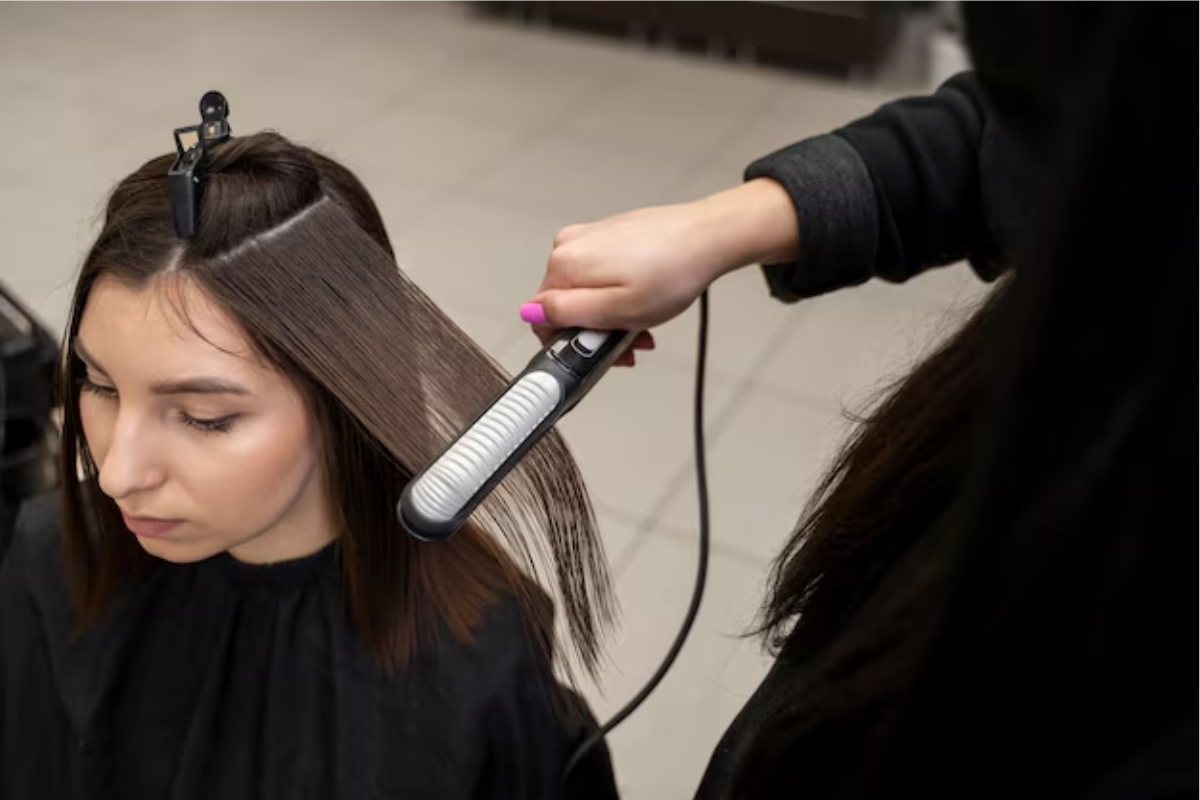
Different Types of Hair Treatments Explained: Keratin, Smoothening, Botox & More
The use of hair treatments has gained popularity particularly among individuals who are experiencing frizz, dryness, heat styled and pollution-damaged hair. Having so many choices, one can become confused about the actual process of every treatment. The following is a simple breakdown that will enable you to know the most common ones.
Keratin Treatment
One of the most famous remedies for frizzy hair and a manageable one is Keratin treatment. It acts by coating the hair with a layer of the protein (keratin), which flattens the cuticle and de-frizzes the hair.
It is the best treatment to use when an individual wishes to have straight and shiny hair without the need to use the straighteners on a day-to-day basis. With proper care, the results normally last 3-5 months. Yet, it never makes your hair straight forever; it only makes it easier to manage.
Hair Smoothening
Hair smoothening can even be mixed with keratin; however, it acts a little bit differently. It takes away the natural connections in your hair using a set of chemicals before reconnecting them to make them appear less rugged.
The outcome is less volumised and fewer waves on the hair, which is soft and smooth. Smoothening would also be preferable when you are willing to have a more polished, straight look as compared to keratin. The lasting effects may take up to half a year, depending on the type of hair.
Hair Botox Treatment
Hair botox has nothing in common with injections, despite its name. It is a deep conditioning treatment that is used to restore lost hair. It seals the hair strands through the use of elements such as proteins, vitamins and amino acids.
Hair botox will suit individuals whose hair is dry, brittle, or chemically treated. It will not alter your hair structure as far as keratin or smoothening does; it will just make your hair healthier, shinier, and also have a better texture.
Cysteine Treatment
Cysteine is a much softer replacement for keratin. It applies a protein, cysteine, to smooth frizz and make hair smoother without the hard chemicals such as formaldehyde.
This is an appropriate kind of treatment to be used by individuals who desire natural appearance, smooth hair, but without flattening it absolutely flat. It makes the hair volume stick as well as enhances control.
Nanoplastia Treatment
A more modern and sophisticated treatment is nanoplastia, which is a deep nourishing and straightening of hair achieved through organic acids and amino acids. People tend to believe that it is safer than conventional straightening procedures.
It also helps in making the hair smooth as well as enhancing it internally. The finishes are durable and provide a natural straight finish.
Conclusion
The difference in hair treatment is discernible, yet they all have various benefits and drawbacks that one should know about so as to make a choice. Aftercare (e.g. using sulfate-free shampoos and using little or no heat in styling) is also important to maintain the results.
Choosing the appropriate salon at the tail end of the day is as important as choosing the appropriate treatment, and Welefull Unisex Salon would be interested in helping the clients know what is best for their hair, as well as provide reliable care.